
Stormwater
Stormwater is the water, such as rain and snow, that falls to the Earth’s surface. When it reaches the surface, the water will either infiltrate into the ground, join existing surface water, or become runoff. Infiltration of stormwater is the process of water flowing into and through the subsurface soils. Many factors can affect this process including soil type, topography, and impervious surfaces. Managing stormwater is necessary to protect the environment and property. Heavy stormwater runoff can carry pollutants to surface waters like rivers or lakes and large amounts of standing water can ruin crops, breed diseases, and damage buildings. Management practices range from building gutters, to city canals and basins.
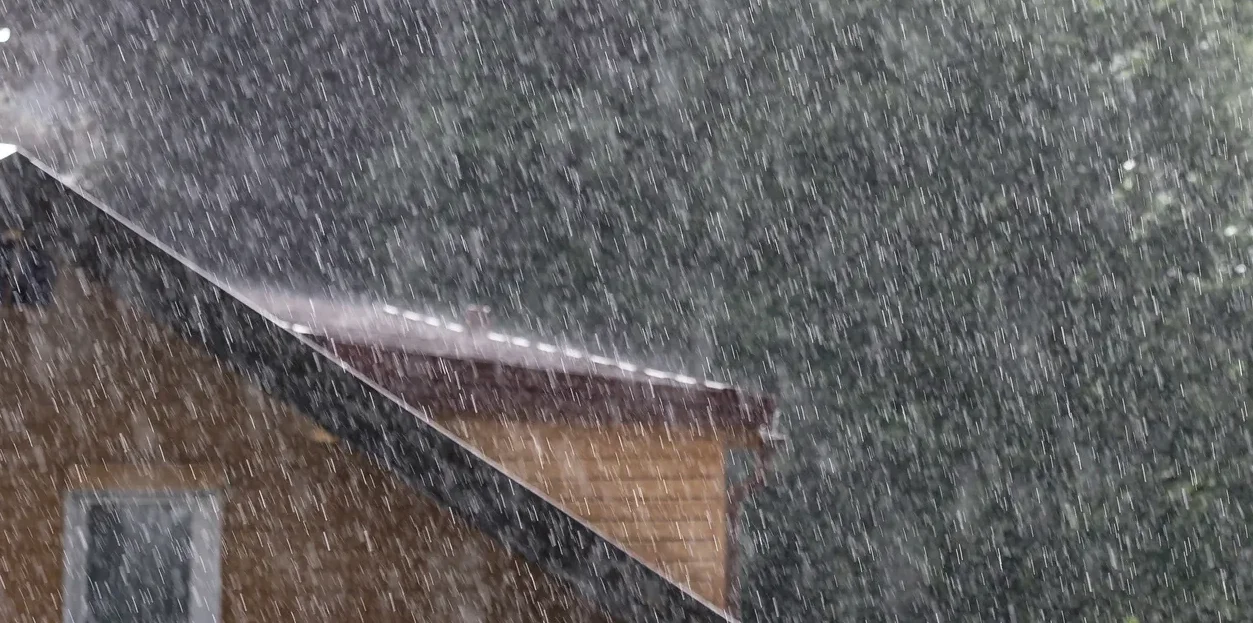
The ultimate goal of stormwater management is to complete the natural water cycle by returning stormwater to the soil profile — supporting groundwater recharge where site conditions allow. This is where we come in.
Parjana℠ Engineering analyzes environmental factors to determine the quantity of stormwater at a site, including topographic, geologic, hydrologic and meteorologic to ensure a properly designed management solution. Utilizing revolutionary energy-passive devices, IRIS™, Parjana℠ Engineering can greatly enhance the infiltration rate in a wide variety of applications, moving stormwater into the soil profile and supporting groundwater recharge where site conditions allow.
Parking Lot Project
Integrated Stormwater Retrofit Using the Combined Forces from Parjana℠ Engineering & Pave Drain®
This parking lot experiences frequent parking lot flooding that impacts public access, including areas designated for disabled parking. Limited surface relief and fully impermeable pavement have made conventional drainage improvements challenging within the developed site footprint.
Parjana Engineering, in collaboration with PaveDrain, is advancing an integrated stormwater retrofit that addresses both surface flooding and long term infiltration performance. The solution is illustrated in the accompanying animation and represents an in progress design tailored for dense urban conditions.

Project Challenge
The existing parking area is fully impermeable and subject to repeated ponding during storm events. Standing water creates operational and accessibility concerns while limiting the site’s ability to manage runoff on site. Native soils remain intact but are unable to function due to surface sealing and lack of subsurface storage.
An Infiltrating TRIO Solution
This project applies a three tier approach, combining three complementary technologies to manage stormwater from the surface down.
PaveDrain
Select portions of the parking lot are resurfaced with PaveDrain permeable pavement. This allows rapid drawdown of surface runoff, reducing ponding and restoring safe access during and after storm events.
Pave Tank™
Runoff captured through the pavement is conveyed into a below grade Pave Tank gallery. This underground reservoir stores stormwater without occupying surface space, keeping parking stalls functional while providing meaningful detention volume.

IRIS™ Infiltration System
The stored water is infiltrated through the IRIS system, which enhances infiltration into native soils without disturbing soil structure. IRIS allows the reservoir to drain efficiently, restoring capacity between storm events and supporting consecutive rainfall conditions.
Together, these components transform a surface flooding problem into a subsurface infiltration opportunity, while helping reestablish pre-development hydrologic behavior within a constrained site.
System Performance Context
Data from similar underground reservoirs installed in clay soils shows a consistent pattern of rapid water level rise following rainfall events, followed by efficient drawdown shortly after. Six month monitoring periods demonstrate the ability to manage back to back storms, with storage volumes recovering quickly between events.

This performance approach supports confidence in the system’s ability to function reliably under urban soil conditions.
Project Status
The parking lot retrofit is currently in progress. The animation illustrates the proposed system layout and function, providing engineers and designers with a clear visual understanding of how the solutions work together within a developed site.
Stormwater management solutions are custom designed to achieve the client goals as well as regulatory requirements. Effective management of stormwater within the property limits are key factors in making positive change toward the growing water scarcity issues and meeting stronger management policies.
Learn more about our applications:
Excessive first-flush stormwater runoff can burden existing gray infrastructure, leading to high maintenance costs, contaminant transfer, and the risk of Combined Sewer Overflows (CSOs). IRIS™ system effectively reduces peak flow and can minimize stormwater runoff volume into municipal sewer systems by upwards of 83%
Learn more about Urban Runoff applications:
Our custom solutions are minimally invasive and installation does not involve excavating, making it an ideal choice to upgrade existing basins or use in new construction. The addition of our technology into existing basins has increased the infiltration rate by 9 times and reduced the evaporation loss by more than half. Multiple exiting flood basins have turned into infiltration basins after our enhancements due to the high rate of infiltration.
Learn more about Stormwater Basin applications:
Too much water can lower crop productivity, increase toxic compounds in the soil, and even render water-logged areas unusable. IRIS™ presents a transformative approach to agricultural water management. IRIS™ is a device used to increase infiltration in poorly aggregated soils by enhancing the natural processes of capillary action, pressure differential, and hydrostatic pressure. Our solutions can effectively reduce the long term effects of both flooding and droughts by equalizing the moisture content between soil layers in all directions. It is a cutting-edge strategy for resilient and sustainable agriculture in a world where water constraints and climate change are significant issues.
Learn more about Agricultural applications:
Standing water can occur for for a variety of reasons including over saturation of the soil, low infiltration rates, soil compaction, or excessive rain events. Standing water can lead to a wide range of problems including damage to buildings, reduction of usable land, road hazards, breeding ground for mosquitos and vegetation loss. These problems can create substantial economic losses in addition to the environmental impact. With our revolutionary solution, standing water can be eliminated and previously unsafe areas can become usable land again.
Learn more about standing water applications:
IRIS™ can augment traditional stormwater practices by increasing the infiltration rate and management capacity of systems that capture peak volumes – such as ponds, swales, or other storage devices – or can be paired with filtration/biofiltration systems to improve the water quality of volumes being infiltrated. Additionally, integrated systems are proven to significantly lower management and operations costs, as well as aid new or existing developments in meeting environmental regulations.
Learn more about:
IRIS™ is a device designed to increase the infiltration of surface water into near-and-sub-surface soils, providing subsequent benefits to groundwater recharge, runoff mitigation, water quality, and vector control. IRIS™ implementation consists of multiple devices that are installed vertically into the ground and arranged within a carefully calculated layout. The scope of the design is formed on the basis of understanding the timeline and infiltration goals of the customer. Parjana℠ Engineering then combines that information with all topographic, geohydrologic, and geotechnical data to develop the best solution available.
Learn more about: Our Solution