
Stormwater and Infiltration Solutions for Utility-Scale Solar Sites
Solar arrays cover large areas of graded, often compacted ground, and standing water under and around panels drives erosion, vegetation problems, and access headaches. Parjana installs passive IRIS™ infiltration infrastructure that moves surface water back into the soil and gives you documented performance data for the site.
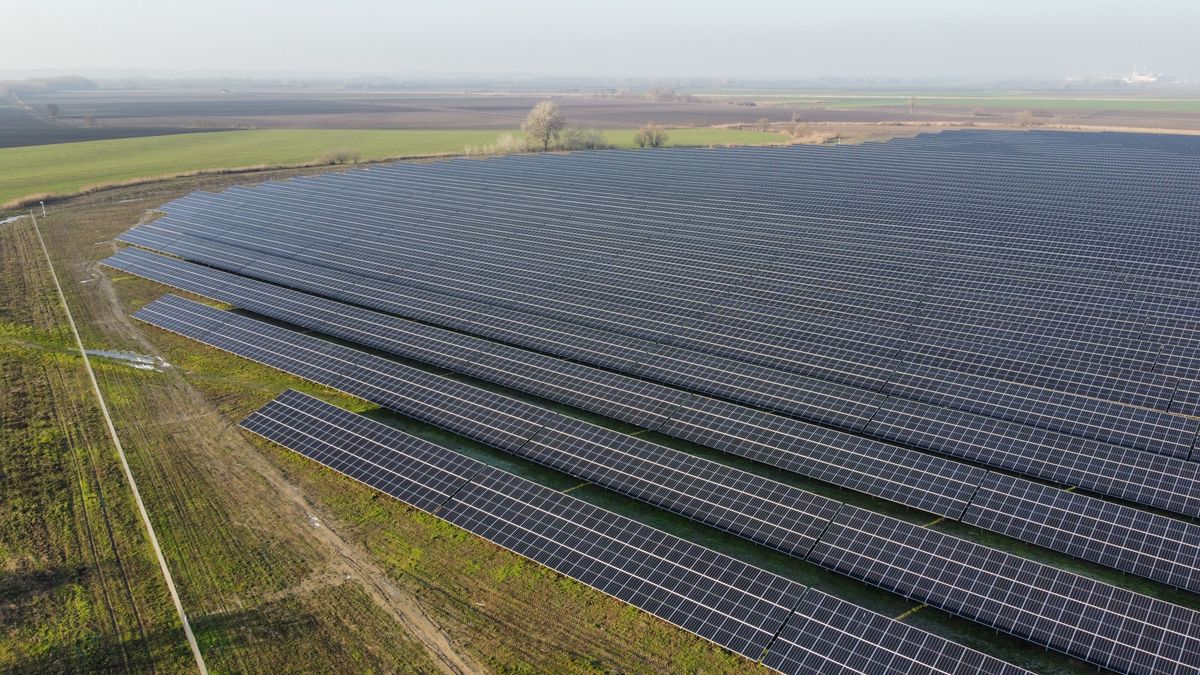
Graded solar sites tend to shed water rather than absorb it. That shows up as standing water between rows, erosion around footings and access roads, and compliance questions that compound over a twenty-year site life.
infiltration increase in existing basin applications
evaluated groundwater response, Lawrence Technological University
energy & maintenance, for the life of the system
passive vertical install, no excavation
The problems solar owners deal with
Graded sites shed water instead of absorbing it. That becomes standing water between rows, erosion around footings and access roads, hard-to-manage vegetation, and compliance questions during and after construction.
These are maintenance and liability costs that compound over the twenty-plus year life of a site.
How IRIS™ helps
IRIS™ increases infiltration into near-surface and subsurface soils without disturbing soil structure, using a passive, low-impact install that fits around array layouts.
Water that used to pond or run off instead moves into the ground, which reduces erosion pressure and standing water while producing a measurable record of how the site performs storm to storm.
Measured performance
Documented at real sites, not modeled in a brochure.
A preliminary third-party evaluation at Lawrence Technological University documented faster groundwater-elevation response and faster recovery to baseline during storm events.
The same monitoring approach turns a solar site into a documented performance record you can hand to a reviewer or an owner.
infiltration increase (basins) — 9×
groundwater response (LTU) — faster
energy & maintenance — 0 / 0
soil structure disturbed — none
Request a solar-site drainage review
Tell us the location and the water problem you are solving. We will scope what verified infiltration looks like for your array.